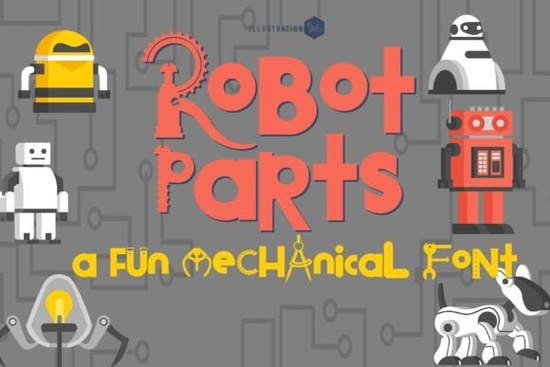
If you're looking for a display font that brings mechanical charm and STEM-friendly energy to your designs, the Robot Parts Font fits naturally into projects where structure meets imagination. It’s not just another geometric sans-serif it’s built from visual metaphors: letterforms assembled with gears, hex bolts, wrench ends, and compass points, all cleanly integrated into stems and terminals. Designers working on youth tech branding, robotics club merch, science fair banners, or classroom posters often find it refreshingly literal without feeling gimmicky.
When does Robot Parts Font work best?
This font shines in contexts where clarity and character matter equally and where the audience responds to technical authenticity. Think custom t-shirts for FIRST Robotics teams, vinyl decals for maker-space walls, or Instagram story headers announcing a coding workshop. Its bold weight holds up well at medium to large sizes (36pt+), especially on dark backgrounds or textured substrates like kraft paper or brushed metal mockups. It’s less suited for body text or long paragraphs this is a display font, designed to announce, not explain.
Because of its industrial aesthetic, it pairs intuitively with clean supporting typefaces. For example, a simple sans-serif like Montserrat or Inter works well for captions or subheads, letting Robot Parts stay the focal point. If you’re building a full brand system, consider using it only for logos, event titles, and hero graphics then switch to something more neutral for supporting copy.
How does it compare to other creative display fonts?
Unlike playful or decorative options such as Beachwave Font, which leans into fluid, hand-drawn motion, Robot Parts is rigid, precise, and purpose-built. It shares structural discipline with Subway Graffiti Font but swaps urban edge for engineering logic. And while Spooky Moon Font leans into thematic whimsy, Robot Parts grounds its personality in real-world objects making it feel credible for educational or nonprofit STEM initiatives.
For designers who regularly license bundles, the Massive Mega Bundle includes Robot Parts alongside dozens of other display fonts ideal if you’re building a diverse library for client work or seasonal product lines. Similarly, crafters running small print-on-demand shops may appreciate how Robot Parts stands out in niche categories like “robotics gifts” or “STEM classroom decor,” where visual differentiation matters more than broad appeal.
What file formats and features come with Robot Parts?
You’ll get OTF, TTF, and WOFF files, plus basic ligatures and alternate characters (like gear-filled “O” or bolt-topped “T”). There’s no variable axis or extensive language support beyond basic Latin so it’s not ideal for multilingual signage or publishing workflows requiring extended diacritics. But for English-first use cases especially digital graphics, SVG-based Cricut/Silhouette cuts, or screen-printed apparel it covers the essentials reliably.
One practical note: because some letters incorporate detailed hardware shapes, avoid scaling below 24pt in raster formats (like PNG exports) unless you’re using high-DPI settings. Vector usage (SVG, EPS, or native vector apps) preserves crispness at any size.
Who uses Robot Parts Font and why?
Small business owners running after-school STEM programs use it for consistent event branding across flyers, email headers, and Zoom backgrounds. Crafters laser-cut robot-themed wooden signs and embed the font directly into their design software. Print-on-demand sellers apply it to mugs and tote bags targeting teachers and coding camp parents audiences who recognize the visual shorthand of gears and bolts as symbols of curiosity and problem-solving.
It also appears in school district communications for instance, a district-wide “Innovation Week” campaign used Robot Parts across posters, student challenge cards, and digital announcements. Teachers told us they appreciated how students immediately connected the font to real tools they’d handled in lab sessions.
If you're curious about similar design sensibilities, check out Chocolate Candies Family Font for contrast it trades hardware for confectionery warmth, useful when pivoting between serious and sweet tones in the same brand ecosystem.
Before you download or license
- Test it in your actual workflow not just in a font previewer. Try pasting it into Canva, Illustrator, or Cricut Design Space to confirm compatibility.
- Check licensing terms: personal use is included, but commercial resale (e.g., selling premade SVG files with Robot Parts embedded) requires an extended license.
- Pair it thoughtfully avoid stacking it with other highly textured or mechanical fonts, which can compete visually.
- Remember it’s a display font: reserve it for headlines, logos, and short impactful phrases not instructions, descriptions, or fine print.
Start simple: open your design app, type “ROBOT LAB” or “CODE + GEAR”, and see how the shapes click into place. That’s usually the moment designers realize this isn’t just a novelty it’s a tool that helps ideas land with clarity and quiet confidence.
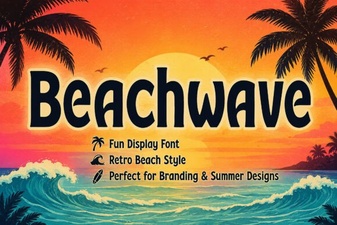 Design Projects with Beachwave Font Style
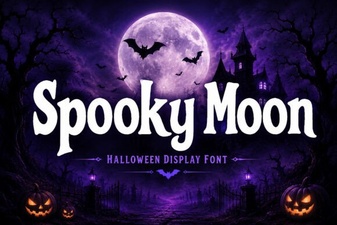 Spooky Moon Fonts for Your Halloween Designs
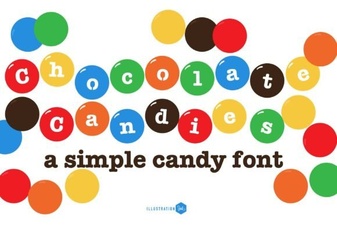 A Font Family Inspired by Chocolate Candies
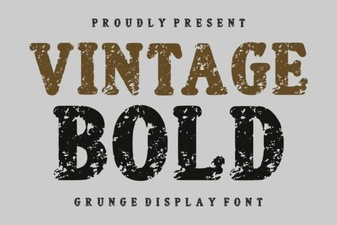 Discover Bold Vintage Fonts for Classic Design Projects
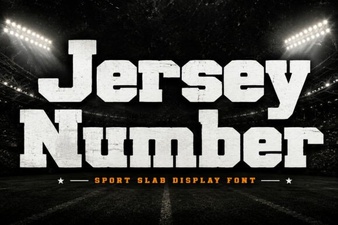 Custom Jersey Number Fonts for Sports & Diy Projects
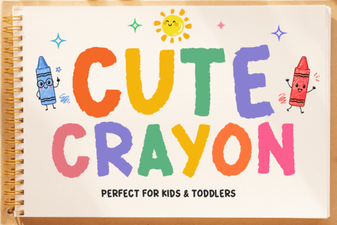 Creative Projects Using a Cute Crayon Font