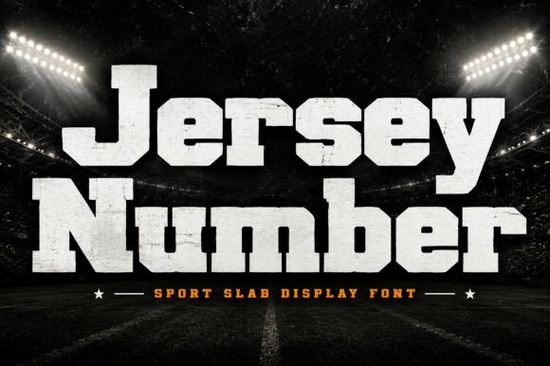
If you're designing sports-themed apparel, team merchandise, or varsity-style graphics and you need numbers that look like they belong on a championship jersey Jersey Number Font is worth your attention. It’s not just another bold font; it’s built from the ground up to echo the weight, clarity, and presence of real athletic lettering. Think of those crisp, blocky digits stitched onto baseball jerseys or screen-printed across football warm-ups. That’s the energy this font captures without relying on gimmicks or over-the-top effects.
What makes Jersey Number Font different from other display fonts?
Most display fonts lean into either playfulness or elegance. Jersey Number Font leans into structure and impact. Its slab-style figures have consistent stroke widths, squared terminals, and generous spacing designed so numbers stay legible even at small sizes or on textured fabrics. Unlike decorative fonts that sacrifice readability for flair, this one keeps both. It works equally well for single-digit player numbers (like “7” or “23”) and full team names (“TEAM RAVENS” or “SOUTH SIDE SOFTBALL”). And because it includes uppercase letters, numerals, and basic punctuation, you can build complete logos not just isolated numbers.
Who uses it and where does it fit best?
Small businesses printing custom hoodies or hats for local leagues often need fonts that scale reliably across embroidery, heat transfer, and DTG printing. Jersey Number Font holds up well in all three. Designers making college spirit wear, youth sports banners, or tournament posters also find it versatile: it reads clearly from a distance, and its sturdy proportions prevent distortion when stretched or resized. Even if your work isn’t strictly sports-related, it fits naturally in streetwear branding, gaming event graphics, or retro-inspired posters anywhere you want confidence and clarity without looking stiff or corporate.
How does it compare to other popular Creative Fabrica display fonts?
It fills a specific niche not quite as playful as cute crayon-style fonts, not as ornate as vintage bold fonts, and less whimsical than spooky moon font. Where Beachwave Font leans into relaxed summer vibes, and Chocolate Candies Family Font brings sweet, rounded charm, Jersey Number stays grounded and purposeful. You wouldn’t use it for a baby shower invite but you would reach for it when designing a high school basketball fundraiser poster or a limited-run skate crew tee.
Practical tips before you download
Before adding Jersey Number Font to your project, keep these points in mind:
- Kerning matters more here than usual. Because the numbers are wide and blocky, default spacing can feel loose. Adjust tracking slightly tighter for headlines, especially with multi-digit numbers like “1992” or “88.”
- It pairs well with clean sans-serifs (like Montserrat or Inter) for body text avoid pairing it with other heavy display fonts unless you’re going for intentional contrast.
- Test it on your final output method. If you’re embroidering, check how the font handles stitch density some digitizing software simplifies complex outlines, and Jersey Number’s solid forms translate cleanly.
- Remember it’s a display font: great for headlines, logos, and featured text, but not ideal for long paragraphs or fine print.
One more thing: if you’d like to see how it’s been used by other designers, you can browse real examples on Creative Fabrica’s site just search for Jersey Number Font. You’ll find mockups showing it on jerseys, vinyl decals, and digital banners helpful for visualizing how it might work in your own workflow.
If you’ve got a sports-themed project coming up or even something that just needs bold, dependable presence try installing Jersey Number Font first. Open a blank document, type a few numbers, scale them up, and see how they hold space. Then ask yourself: does this feel like something people would actually wear, hang, or click on? If yes, you’ve found your match.
Next step: Download the font, open it in your design app, and test it with three things: a single digit (like “5”), a short team name (“RIDGEWOOD”), and a year (“2024”). Compare how it looks at 48pt, 120pt, and 200pt. Notice where it gains strength and where you might adjust spacing or color for maximum impact.
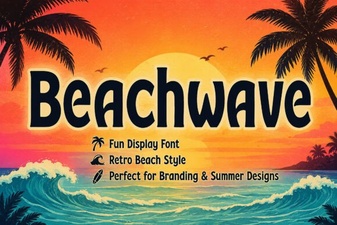 Design Projects with Beachwave Font Style
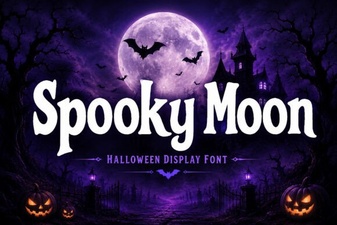 Spooky Moon Fonts for Your Halloween Designs
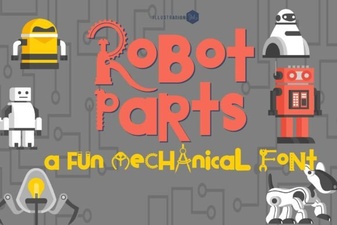 Crafting Futuristic Designs with Robot Parts Fonts
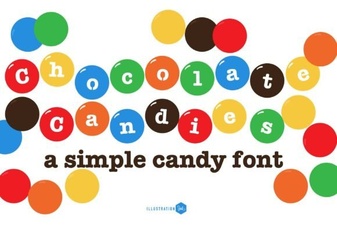 A Font Family Inspired by Chocolate Candies
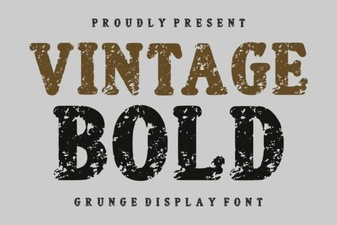 Discover Bold Vintage Fonts for Classic Design Projects
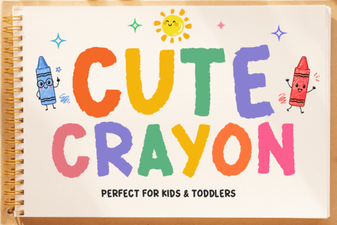 Creative Projects Using a Cute Crayon Font