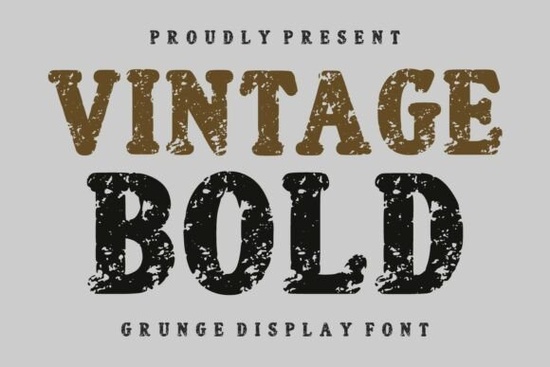
If you're looking for a display font that feels genuinely old-school like it was pulled from a weathered barn door or stamped onto a 1940s diner menu Vintage Bold Font fits the bill. It’s not just “vintage-inspired” in a vague way. The letterforms are thick and confident, with intentional texture and subtle wear built right into each glyph. That means no extra layering or Photoshop tricks needed to get that authentic, hand-printed look. It works especially well for projects where personality matters more than polish: think craft brewery labels, rustic apparel prints, or social media posts for a local farmers’ market.
What makes Vintage Bold different from other “grunge” fonts?
Many distressed fonts rely on heavy noise, uneven edges, or overdone scratches which can hurt readability at smaller sizes or on low-res screens. Vintage Bold balances grit and clarity. Its bold weight holds up cleanly even when scaled down slightly (say, for a product tag or Instagram story text overlay), while the texture stays visible and intentional not chaotic. The design nods to letterpress, western signage, and mid-century packaging, but avoids caricature. You won’t mistake it for a cartoon cowboy font or a generic “rustic” knockoff.
Where does it work best?
This is a display font first and foremost so it shines where impact matters most:
- Logos and branding for small businesses with a handmade or heritage feel (coffee roasters, distilleries, artisan bakeries)
- Packaging especially for products sold at craft fairs or independent grocers
- Apparel and merch, like screen-printed tees or embroidered patches
- Posters and event graphics for country festivals, outdoor gear brands, or vintage car shows
- Social media banners and story text, where strong contrast and character help your message stand out in a scroll
It pairs naturally with simpler sans-serifs or clean serifs for body copy no need to force a full “vintage” palette. A pairing like Robot Parts Font for headlines and a neutral sans-serif for captions, for example, gives contrast without clashing.
How to use it without overdoing it
Because it’s bold and textured, less is more. Try these practical tips:
- Stick to short phrases 3–5 words max for headlines. “Hand-Roasted Coffee” works. A full paragraph in Vintage Bold won’t read well.
- Avoid all-caps unless you’re going for maximum western-diner energy. Title case often feels more balanced and readable.
- Use tracking (letter spacing) sparingly tightening it slightly can add cohesion, but too much crushes the texture’s charm.
- Test on both screen and print. The grain reads differently on matte paper versus glossy, and some textures soften on mobile displays.
You’ll also find it plays nicely alongside other expressive display fonts like the playful imperfection of Cute Crayon Font for kid-friendly side projects, or the athletic energy of Jersey Number Font if you’re designing for a retro sports event. For food-related branding, Chocolate Candies Family Font offers a sweet, rounded contrast that complements Vintage Bold’s ruggedness.
One thing to keep in mind: this isn’t a system font. It’s meant to be used intentionally not as default body text or UI elements. If you’re building a Shopify store or Canva template pack, treat it like a signature ingredient: strong on its own, better when paired thoughtfully.
For designers who value authenticity over trend-chasing, fonts like Vintage Bold Font offer something increasingly rare: a voice with history behind it, not just algorithmic variation. And unlike many “distressed” fonts sourced from free repositories, this one was drawn by hand, then refined for consistent spacing, kerning, and OpenType features including alternate characters and ligatures that add subtle variation without manual tweaking.
Before you download or license it
Ask yourself:
- Do I need a headline font or am I hoping to use it for paragraphs or fine print? (If the latter, look elsewhere.)
- Is my project rooted in craft, heritage, or analog aesthetics or is it sleek, futuristic, or minimalist? (Vintage Bold leans firmly into the first group.)
- Will it appear on physical products? If yes, test a printed sample some textures reproduce better on uncoated stock.
- Have I checked the included file formats? Most Creative Fabrica licenses include OTF, TTF, and web-ready WOFF enough for desktop apps and basic web use.
Once you’ve confirmed it fits your use case, try it in context before committing: drop it into a mockup of your actual label, poster, or social graphic not just a blank type specimen. That’s the best way to see whether it adds warmth and character, or just visual noise.
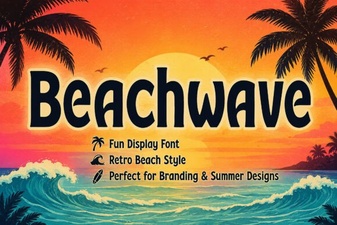 Design Projects with Beachwave Font Style
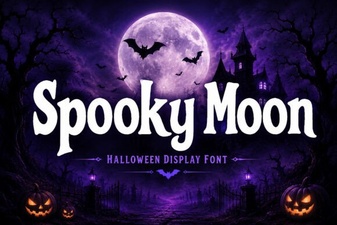 Spooky Moon Fonts for Your Halloween Designs
 Crafting Futuristic Designs with Robot Parts Fonts
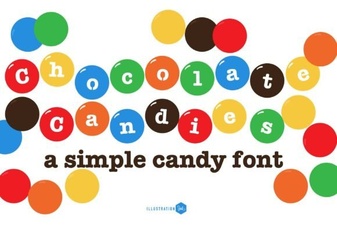 A Font Family Inspired by Chocolate Candies
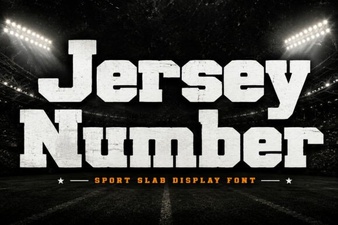 Custom Jersey Number Fonts for Sports & Diy Projects
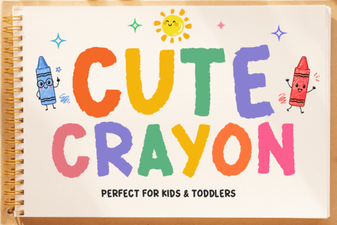 Creative Projects Using a Cute Crayon Font