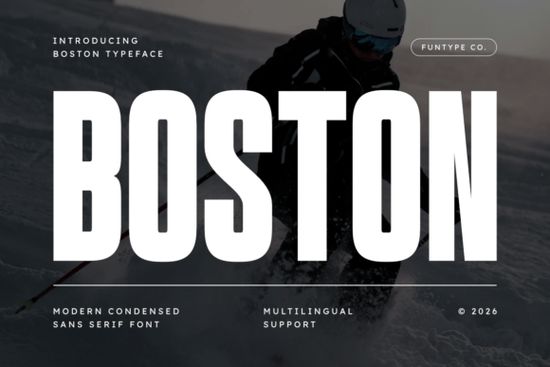
If you're looking for a bold, clean sans serif font that holds its own in headlines, logos, or product mockups Boston Font is worth your attention. It’s a modern condensed typeface built for clarity and presence: think strong letterforms, tight spacing, and vertical consistency that reads well at large sizes and still looks sharp on small digital banners. Designers working on sports branding, industrial packaging, or print-on-demand apparel often find it fits naturally where impact matters more than ornamentation.
When does Boston Font work best?
Boston shines where legibility and authority go hand-in-hand. It’s not meant for long paragraphs or delicate stationery it’s made for moments when your message needs to land fast. You’ll see it used well in:
- Sports team logos (especially for basketball, football, or fitness brands)
- Industrial or tech company headers on websites or trade show banners
- Minimalist poster designs for events or local business promotions
- Print-on-demand t-shirt graphics where boldness helps the design stand out on fabric
Because it’s condensed, it saves horizontal space without sacrificing weight or readability a practical advantage when designing for social media thumbnails or mobile ads.
How does it compare to other popular sans serifs on Creative Fabrica?
Boston sits comfortably between high-energy and professional. It’s bolder and tighter than Rotation Font, which leans more playful and slightly rounded. Compared to Shine Bright Font, Boston avoids decorative flair no outlines, no sparkle effects just confident structure. If you’ve used Campus Font, you’ll notice Boston trades slab-serif weight and texture for leaner, more contemporary geometry. And while the Bold Playful Bundle offers variety across moods, Boston delivers focused consistency ideal if you’re building a single-brand identity rather than rotating styles.
What file formats and features does it include?
The Boston Font package includes standard OTF and TTF files, plus web-ready WOFF for designers adding it to client websites (with proper licensing). It supports uppercase, lowercase, numerals, basic punctuation, and Latin-1 characters enough for most English-language branding projects. There’s no variable axis or stylistic sets, so it’s simple to use in Canva, Cricut Design Space, Silhouette Studio, or Adobe apps without extra setup. Kerning is well-adjusted out of the box, meaning “AV”, “To”, and similar tricky pairs look balanced without manual tweaking.
Who’s using Boston Font right now?
We’ve seen small businesses use it for food truck signage its tight width fits neatly above windows or on menu boards. Print-on-demand sellers apply it to gym-branded hoodies and caps, where the condensed shape works with curved seams and embroidery limits. Crafters making vinyl decals for garage gyms or workshop walls appreciate how cleanly it cuts on machines like the Cricut Maker. One Etsy seller told us they paired Boston with subtle halftone textures behind it for retro-futuristic posters and found customers responded especially well to the contrast between sharp type and organic background grain.
Where to find inspiration (and what to pair it with)
For layout ideas, browse real-world examples of Boston Font on Creative Fabrica’s marketplace you’ll see how others combine it with minimalist icons, monochrome photography, or geometric shapes. Visually, it pairs well with neutral backgrounds (deep navy, charcoal, cream) and restrained accent colors like rust, olive, or slate blue. Avoid pairing it with overly decorative scripts or thin serifs those contrasts tend to feel unbalanced. Instead, try it next to a quiet sans like Inter or Open Sans for body text, or even a sturdy slab like Campus Font for subhead contrast.
If you’re already working on a project that calls for strength and simplicity like a new logo draft, a series of social media banners, or a batch of merch mockups Boston Font is ready to drop in. No learning curve, no over-engineering. Just a dependable, bold sans serif that does what it says.
Before downloading:
- Check your software supports OTF/TTF fonts (most do)
- Confirm your license covers your intended use personal, commercial, or extended
- Test it at actual size on your final medium (e.g., preview on a t-shirt mockup, not just in design software)
- Try typing your brand name or tagline in all caps first condensed fonts can tighten up unexpectedly with certain letter combinations
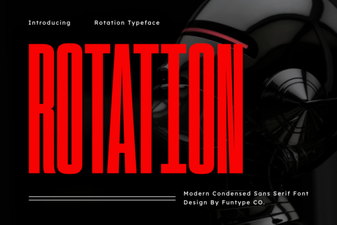 Rotation Fonts: Creative Typography for Dynamic Designs
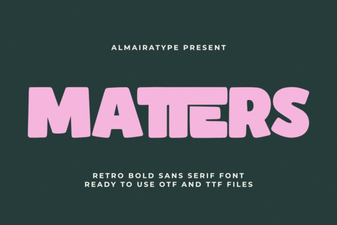 Matters Font: Design Tools & Creative Typography Inspiration
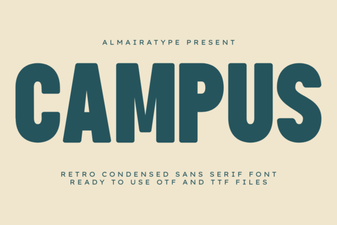 Campus Font Design Projects for Students
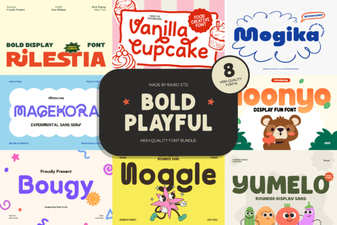 Playful Font Bundle for Creative Design Projects
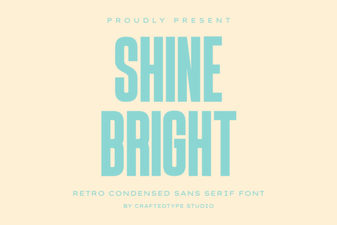 Shine Bright Font: Creative Projects & Design Tips
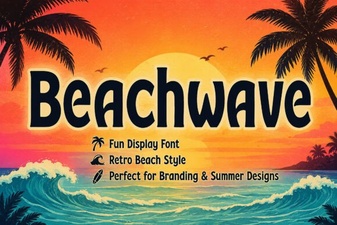 Design Projects with Beachwave Font Style